
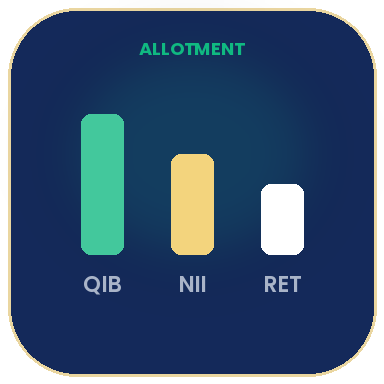
How allotment works
Bids are split into categories such as QIB (institutions), NII (applications above ₹2 lakh) and retail (up to ₹2 lakh). Each category has its own demand and allotment rules.
IPOs
Educational explainers on how public issues work — subscription, allotment, the prospectus and common myths. Not investment advice.
An Initial Public Offering (IPO) is when a company offers its shares to the public for the first time and lists on a stock exchange such as the NSE or BSE.
This page explains the process and the numbers you see in the news. It does not recommend applying for, buying or selling any IPO or listed stock.
Plain-language building blocks for reading IPO headlines.
Bids are split into categories such as QIB (institutions), NII (applications above ₹2 lakh) and retail (up to ₹2 lakh). Each category has its own demand and allotment rules.

Subscription = bids received ÷ shares on offer, reported separately by category. High demand shows interest; it does not guarantee listing gains.
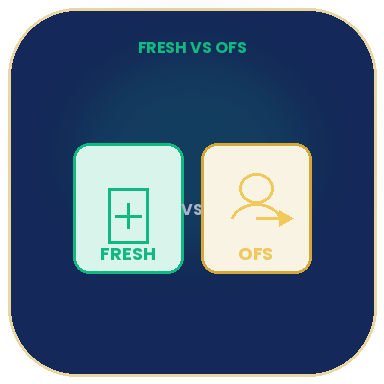
A fresh issue raises money for the company. An Offer for Sale (OFS) lets existing shareholders sell. Many IPOs mix both — check the objects of the issue in the RHP.

The Red Herring Prospectus covers business, financials, objects of the issue, risk factors and issue structure. It is the primary document to study before any application.

GMP is an unofficial, unregulated figure traded outside exchanges. It is not a SEBI-recognised indicator. Treat it as market chatter, not data.

“Oversubscribed = sure listing gain”, “GMP predicts the open”, and “retail X× means you will never get shares” are all incomplete or misleading without context.
News headlines often quote a single subscription multiple. That number is usually shares bid ÷ shares offered. For retail investors, allotment is driven more by the number of applications (each successful applicant typically gets at least a minimum lot by lottery when demand is high), so the shares-based figure can mislead.
Categories matter:
Live example (illustration only — not a tip to apply)
Jio Platforms IPO subscription snapshot as of 22 Oct 2026, 6:57 PM IST (pre-close / Day-2 evening). Bidding was scheduled to close on 23 Oct 2026; Day-3 final figures should be refreshed after close — the numbers below are not final.
| Category | Subscription (by shares) | Notes |
|---|---|---|
| Overall | 5.51× | Pre-close snapshot |
| QIB | 13.14× | Institutional demand |
| NII | 5.91× | Above retail ticket size |
| Retail (by shares) | 1.53× | Shares-based multiple |
| Retail (by applications) | ~0.76× | Often the more relevant retail lens |
Source aggregator citing BSE/NSE public-issue data: IPO Ji subscription page (see Sources). Figures stamped as of 22 Oct 2026 6:57 PM IST; do not invent later numbers until verified after Day-3 close.
This is a learning checklist, not a recommendation to apply or skip any issue.
Related reading on this site: India Stock Research · Blog
Not a SEBI-registered analyst. Content is for educational purposes only, not investment advice. Please consult your financial advisor before making any transaction.